
Express Maintenance Service Caloundra | Oil & Filter Change – Revolution Autocare
February 16, 2026Why Is My Diesel Using More Fuel Than It Used To? (DPF & EGR Could Be the Reason)
March 31, 2026EGR Valve Problems: Symptoms, Causes, and What It’s Really Costing Your Diesel
EGR Valve Problems: Symptoms, Causes, and What It’s Really Costing Your Diesel
EGR valve problems can quietly drain performance from your diesel long before they turn into a major repair bill. If your vehicle feels rough at idle, slower to respond, or is throwing warning lights, the EGR system could be the issue. This guide breaks down the common symptoms, likely causes, and what to do next.
What you’ll learn in this guide
- The most common symptoms of a faulty EGR valve
- What causes EGR valve issues in diesel engines
- Which fault codes can point to EGR-related problems
- When cleaning may help and when replacement makes more sense
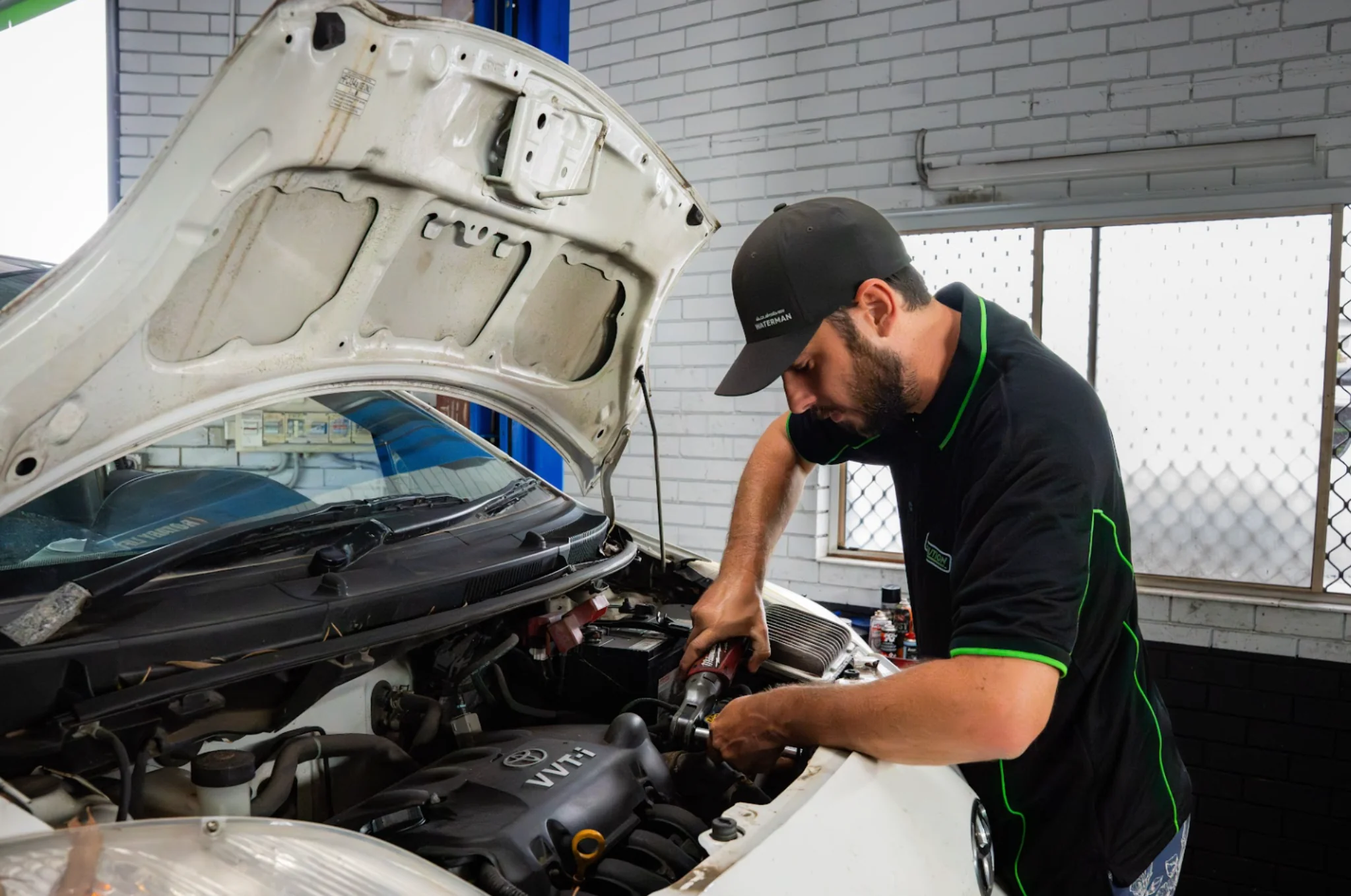
What Are the Common Symptoms of a Faulty EGR Valve?
A faulty EGR valve can affect how your diesel runs, responds, and burns fuel. In many cases, the first signs are reduced engine performance, sluggish acceleration, rough idling, or a noticeable drop in power under load.
You may also see the check engine light come on, notice increased exhaust emissions, or experience unusual engine behaviour that feels inconsistent from one drive to the next.
Short version: if your diesel feels rough, smoky, underpowered, or keeps throwing warnings, the EGR system is one of the first places worth checking.

Symptoms that usually point to EGR trouble
EGR valve malfunctions and diesel engine issues
The uploaded draft highlights that excessive sediment buildup can cause the valve to stick, contribute to uneven engine operation, weaken intake performance, and in more serious cases affect related diesel components and drivability. :contentReference[oaicite:1]{index=1}
Practical takeaway: rough running and early warning signs are worth checking before they become a bigger repair.
What Causes Diesel Engine EGR Valve Issues?
EGR valve problems are often caused by contamination building up over time. Carbon deposits are one of the biggest culprits, especially in vehicles that see heavy urban driving, short trips, or operating conditions that allow residue to keep building inside the system.
Main causes to check first
- Carbon buildup: deposits can obstruct airflow and stop the valve from operating properly
- Faulty sensors: incorrect readings can affect EGR system operation and trigger faults
- Exhaust leaks: leaks can reduce system efficiency and upset expected flow
- Recurring contamination: repeated buildup can turn a minor issue into an ongoing fault
- Ignored warning lights: leaving the problem too long can affect other components
Why it gets expensive
The longer an EGR issue is left unresolved, the more likely it is to affect drivability, increase emissions, and lead to broader diesel performance problems that cost more to fix later.
Worth knowing: your uploaded draft specifically points to carbon buildup, faulty sensors, and exhaust leaks as key causes behind EGR valve issues. :contentReference[oaicite:2]{index=2}
Which EGR Valve Fault Codes Indicate Specific Problems?
Fault codes can help narrow down the type of EGR issue you are dealing with, especially when paired with proper diagnostics and a real inspection of the valve and surrounding system.
| Fault Code | What it usually means | Why it matters |
|---|---|---|
| P0401 | Insufficient EGR flow | Often linked to blockage, sticking operation, or restricted passages |
| P0402 | Excessive EGR flow | Can indicate valve control or flow issues |
| P0403 | EGR control circuit malfunction | Can point to electrical or control-related faults |
These codes were specifically identified in the uploaded EGR draft as examples of EGR-related fault conditions that can help diagnose the source of the problem. :contentReference[oaicite:3]{index=3}
Understanding EGR Valve Cleaning and Repair Services on the Sunshine Coast
EGR service options can vary depending on how severe the contamination or damage is. In some cases, cleaning may restore proper flow and operation. In other cases, replacement is the smarter long-term choice.
A proper diagnostic check helps determine whether the issue is mainly carbon buildup, recurring system faults, or a valve that has reached the point where repair is no longer the best value.
Important: if the same issue keeps returning, repeated cleaning may end up costing more than a proper long-term repair solution.

| Service Type | Description |
|---|---|
| EGR Valve Cleaning | Removal of carbon buildup to restore function |
| EGR Valve Replacement | Complete replacement of the faulty EGR valve |
| Diagnostic Services | Comprehensive checks to identify EGR-related issues |
That service breakdown matches the structure in your uploaded draft for this EGR article. :contentReference[oaicite:4]{index=4}
What factors influence whether cleaning or replacement is best?
- The extent of carbon buildup
- Whether there is physical damage
- How often the issue has returned before
- The complexity of the vehicle’s EGR system
- The long-term value of repair versus replacement
How to Fix EGR Valve Problems: Cleaning and Maintenance Procedures
Addressing EGR valve issues usually involves a mix of cleaning, inspection, diagnostics, and preventative maintenance. A vehicle that is checked early is far less likely to end up with a more expensive repair later.
Typical EGR valve cleaning steps
- Preparation: gather the right tools and safety equipment
- Removal: disconnect the battery and remove the EGR valve
- Cleaning: remove carbon deposits using the right solvent and process
- Reinstallation: refit the cleaned valve and confirm all connections are secure
Why regular EGR maintenance matters
Regular maintenance can help restore engine performance, improve fuel efficiency, reduce harmful emissions, and identify problems before they lead to larger diesel repair costs.
The uploaded draft specifically outlines preparation, removal, cleaning, and reinstallation as the key steps involved in EGR valve cleaning, and also highlights the value of ongoing maintenance for diesel performance. :contentReference[oaicite:5]{index=5}
Why Drivers Choose Revolution Autocare
At Revolution Autocare, we focus on honest advice, transparent pricing, and practical solutions that help you make the right decision for your diesel.
Book your EGR inspection with Revolution Autocare
If your diesel is rough at idle, low on power, smoking more than normal, or showing EGR-related fault codes, our team can inspect the issue properly and recommend the right next step.
Revolution Autocare offers diagnostics, servicing, and diesel repair support to help keep your vehicle running properly on the Sunshine Coast.
Frequently Asked Questions
What are the common symptoms of a faulty EGR valve?
Common symptoms include reduced power, sluggish acceleration, rough idling, engine misfire symptoms, increased emissions, unusual exhaust odours, and check engine light warnings.
What causes diesel EGR valve issues?
Carbon buildup is one of the main causes. Faulty sensors, exhaust leaks, and recurring contamination in the system can also contribute to EGR valve problems.
Can EGR valve problems increase fuel consumption?
Yes. A faulty or sticking EGR valve can reduce combustion efficiency and contribute to higher fuel consumption.
Is cleaning an EGR valve better than replacing it?
It depends on the condition of the valve. Cleaning can help when carbon buildup is the main issue, but replacement can be more cost-effective when the valve is badly damaged or keeps failing.
Which EGR fault codes are common?
Common EGR-related fault codes include P0401, P0402, and P0403, though proper diagnostics are always the best way to confirm the real issue.